
What I Got Wrong When I Started Foil Printing (So You Don’t Have To)
When I first started foil printing, I wasted a lot of hours aimlessly troubleshooting.
I could tell when something wasn’t printing right, but I didn’t understand enough to know why.
So I’d fiddle and trial and error for hours until it was right. Every failed print felt random, and troubleshooting usually looked like me changing five different things at once and hoping something magically worked.
But after years of printing, I slowly figured it out. What I eventually realized is that foil printing is actually incredibly technical — and that’s exactly what makes it solvable.
Every variable affects another variable. Your foil, paper, artwork, pressure, heat, and dwell time are all working together at the same time.
Once you understand why things are happening, foil printing becomes far less frustrating and much more methodical.
These are some of the biggest mistakes I made when I was learning foil printing — and the things I wish someone had explained to me earlier.
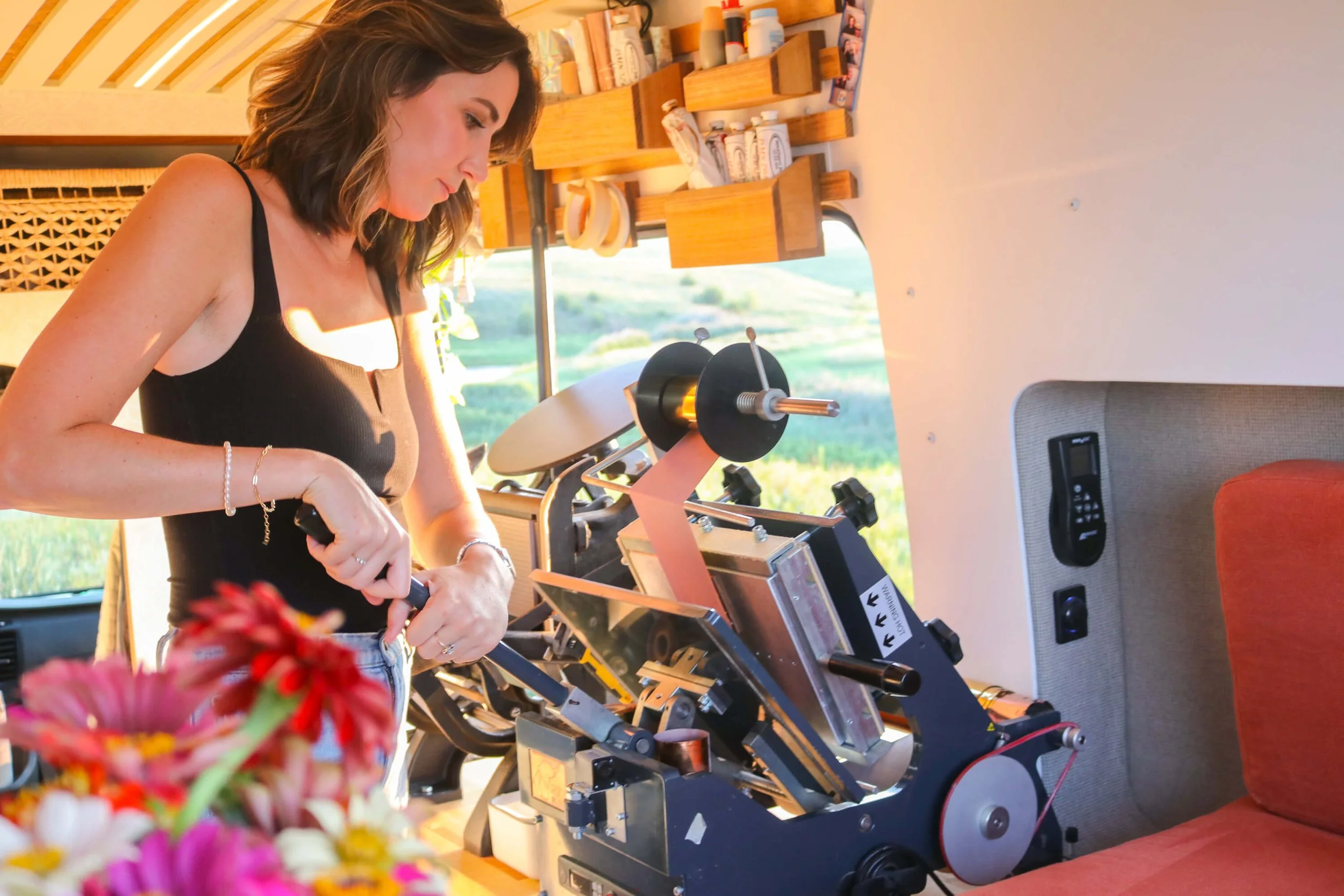
1. Using the wrong foil
This was one of the biggest game changers for me.
When you first start foil printing, it’s easy to assume foil is just… foil. But there are actually different types designed for different applications, papers, and levels of detail.
Some foils transfer better on textured paper. Some work better for fine details. Some need higher heat. Others release more easily.
I spent a long time trying to “fix” prints that were actually failing because I was using the wrong foil for the job.
Learning how to select foil intentionally — instead of randomly testing rolls until something worked — saved me an incredible amount of time and wasted material.
2. Designing without thinking about execution
I love pushing creative boundaries, and I truly believe almost anything is possible in foil printing.
But I also learned the hard way that not every design is efficient to print.
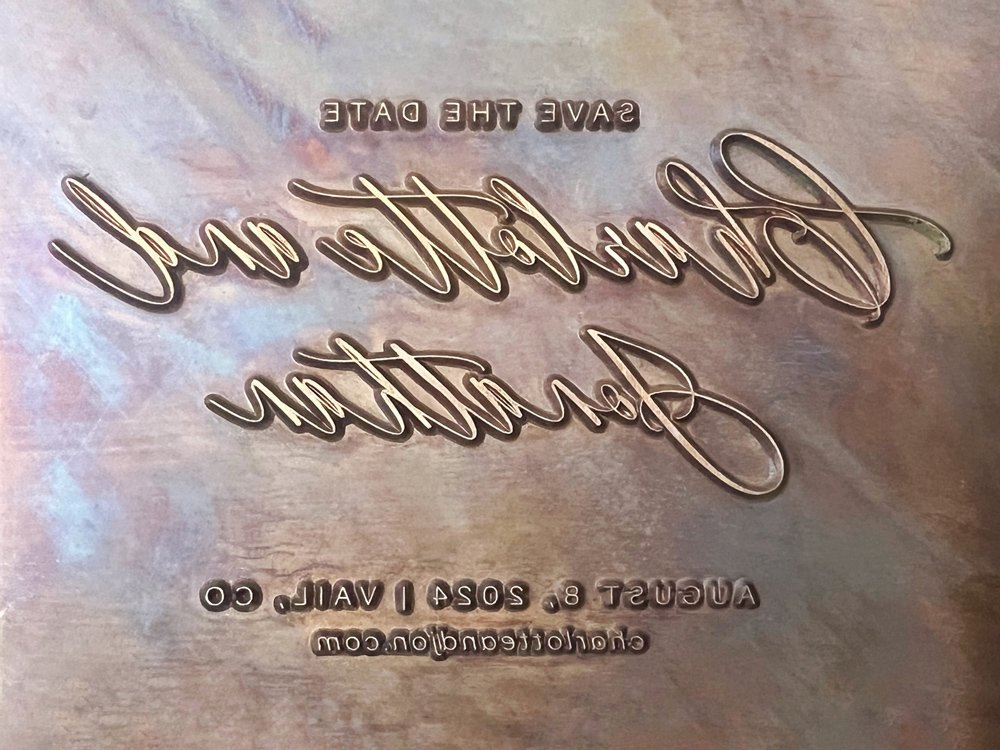
Super thin lines, massive solid areas, tiny reversed text, intricate textures — technically possible? Usually. Easy to print consistently? Not always.
One of the best things you can do as a foil printer is learn how to design for the process.
Understanding how artwork translates physically onto paper helps you avoid so many common frustrations before you even make your plate.
Sometimes a tiny design adjustment can dramatically improve your print quality.
3. Treating heat, dwell time, and pressure like separate settings
This was probably the most important thing I ever learned.
At first, I approached foil printing like each setting existed independently:
Need better transfer? Add more pressure.
Still not working? Add more heat.
Still bad? Increase dwell time.
But these three variables constantly affect one another.
Higher heat might require less dwell time. More pressure can sometimes compensate for lower heat. Too much dwell time can overheat delicate paper. Everything is connected.
Once I understood the relationship between heat, dwell time, and pressure, troubleshooting became dramatically easier.
Instead of randomly guessing, I could make informed adjustments based on what the print was actually telling me.
4. Thinking I needed to use my entire body weight
I cannot tell you how hard I used to pull my press handle 😅
I thought a “good impression” meant maximum force.
In reality, foil printing is usually much more about balance, setup, and proper makeready than brute strength.
If something requires extreme force to transfer properly, there’s often another issue happening:
incorrect foil
uneven impression
too little heat
artwork issues
Once I stopped trying to overpower the press and started focusing on setup, my results became much more consistent.
5. Not knowing how to properly reset my impression screws
This sounds small, but it makes a huge difference.
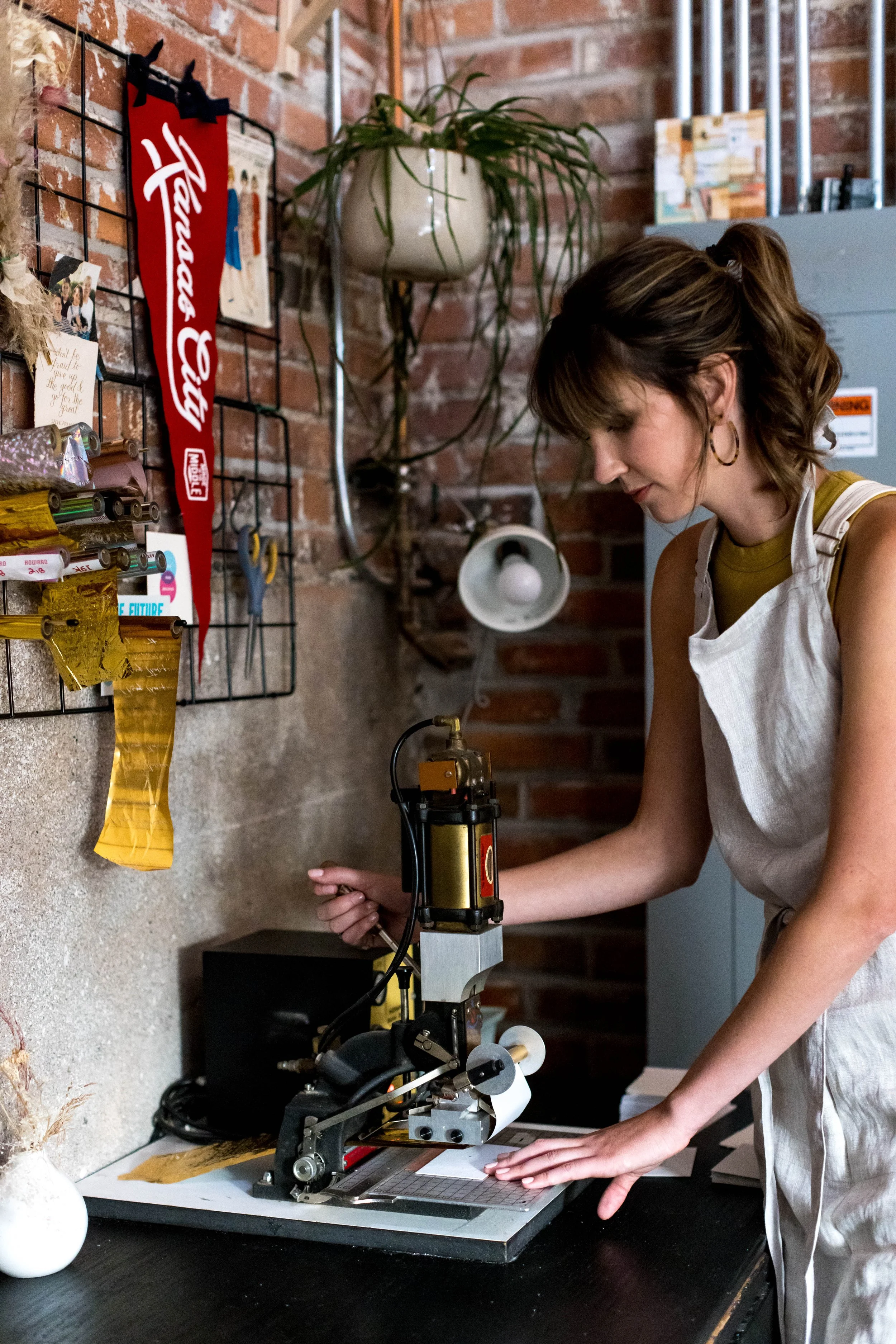
When I was new to foil printing, I didn’t understand how to properly reset or rebalance my impression screws.
That often created inconsistent pressure across the plate, uneven transfer, or confusing troubleshooting issues that seemed unrelated.
Tiny adjustments matter in foil printing.
Learning how to intentionally reset my impression completely changed the consistency of my prints.
6. Not understanding my press well enough to troubleshoot wisely
This is probably the biggest overall lesson.
Foil printing feels overwhelming when every problem feels random.
But once you understand your specific press — how it applies pressure, how it reacts to adjustments, how heat behaves, how your setup affects transfer — troubleshooting becomes much less emotional.
You stop panicking over failed prints and start approaching problems more analytically.
Instead of:
“Why is this happening?!”
You start asking:
“What variable changed?”
That shift in mindset changed everything for me.
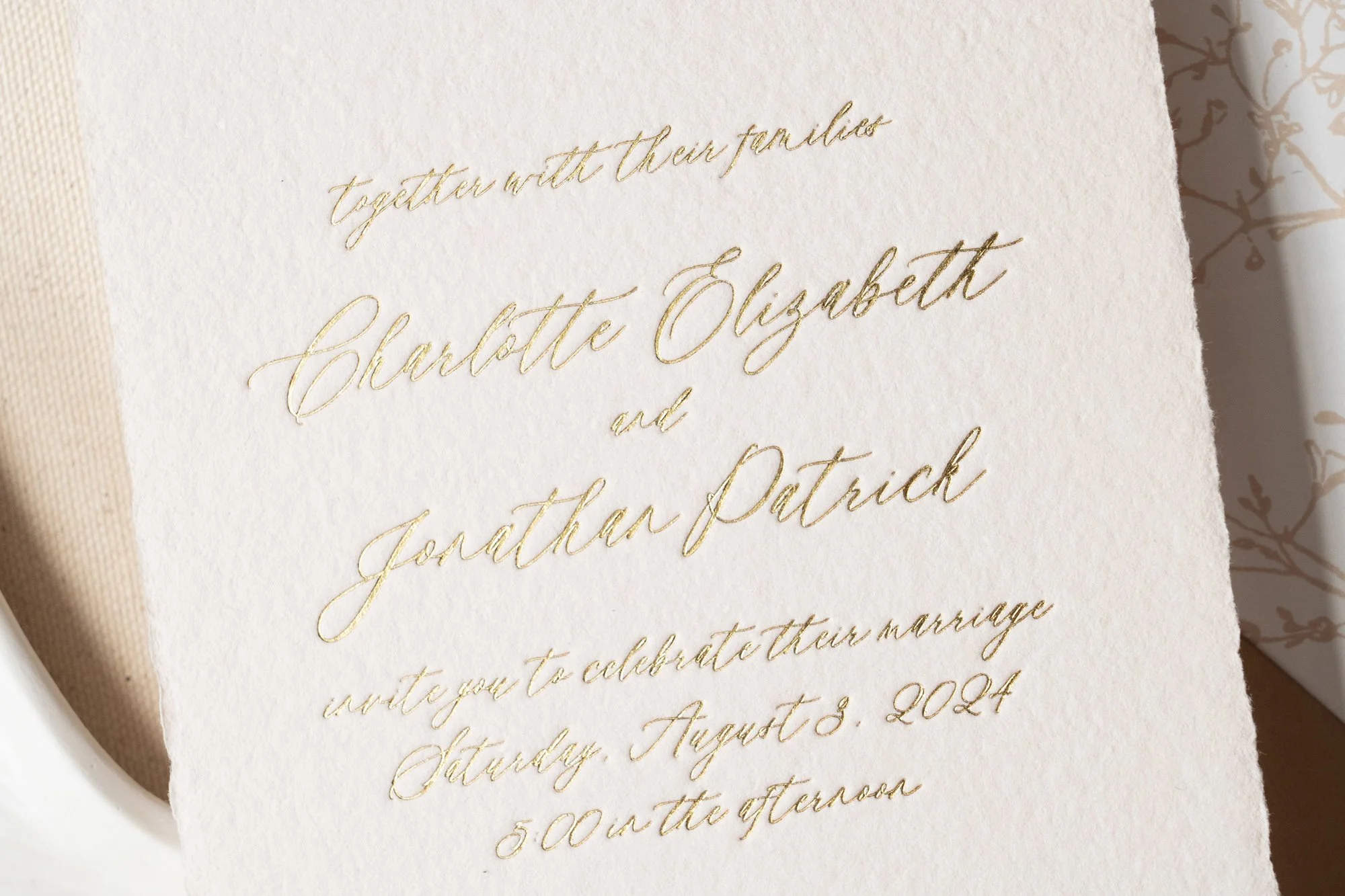
Foil Printing Gets Easier When You Understand the Fundamentals
A lot of beginners assume experienced foil printers simply “have a feel for it.”
And while experience absolutely helps, most successful foil printing comes down to understanding the fundamentals well enough to make smart adjustments.
That’s why I’m such a big believer in learning the technical side of the process early on.
It saves time. It saves money. And honestly, it makes foil printing far more enjoyable.
If you’re just getting started, I’ve put together a free guide that breaks down the exact startup costs, equipment, and supplies I recommend for beginners — so you know what you actually need before spending a single dollar.
And if you’re ready to go deeper, my full foil printing course walks you through everything: the variables, the troubleshooting, and the methodology that took me years to figure out — so you don’t have to.