
15 Years of Letterpress Printing: Here’s what I’ve learned
I started letterpress printing in college. I was a graphic design student who wandered into the print lab, pulled my first impression, and never came back from it.
That was fifteen years ago.
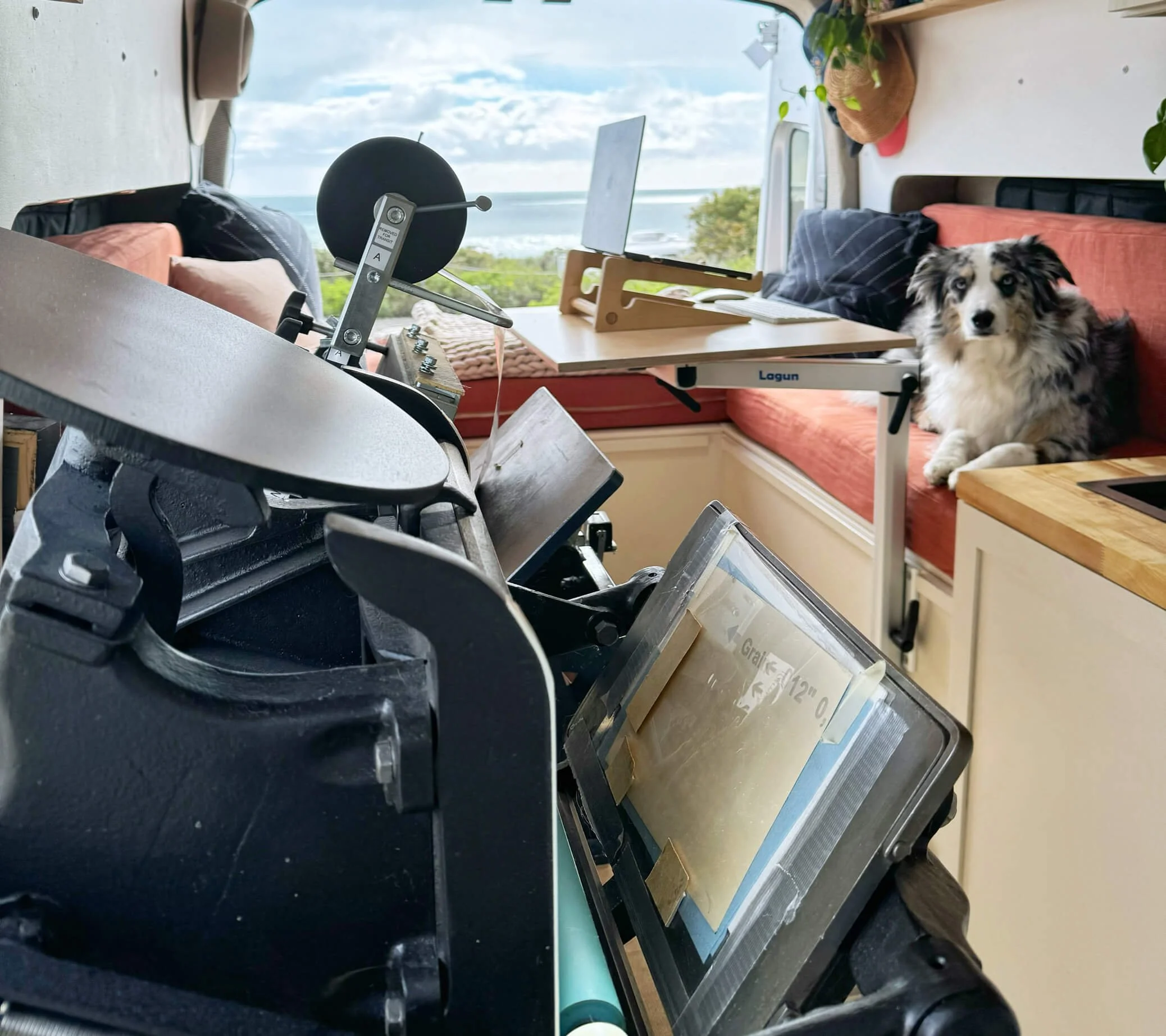
Since then, I’ve printed tens of thousands of sheets, built a business around wedding stationery, taught workshops, and turned a traveling van into a functioning print shop.
Some of what I’ve learned has been practical. Some of it has been humbling.
Most of it, nobody told me ahead of time.
If you’re just getting started with letterpress — or you’ve been at it for a while and could use the reminder — here’s what fifteen years behind the press has taught me.
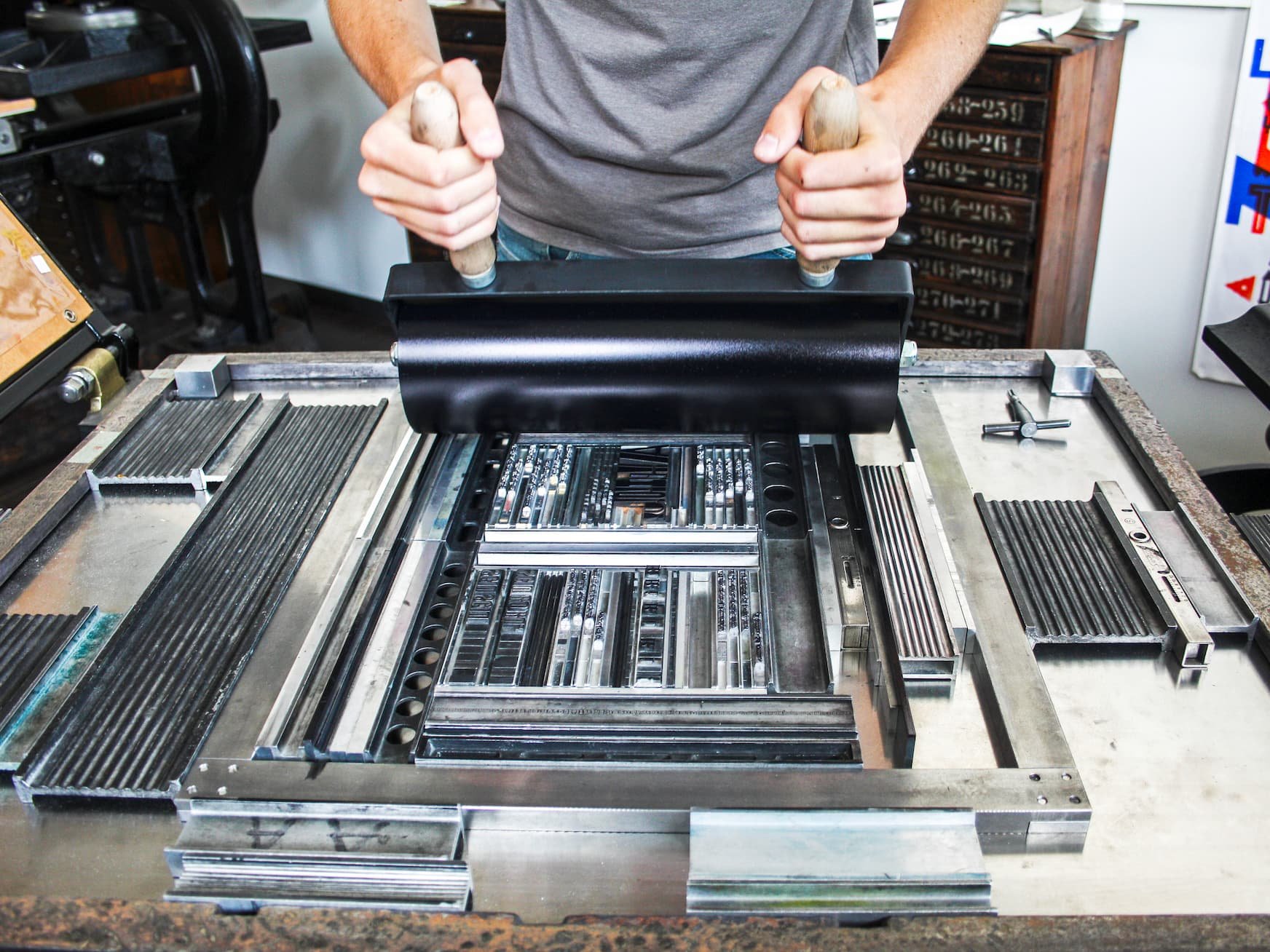
Printing at Tipoteca Italiana circa 2013
1. Letterpress can pay the bills
When I left my 9-5, I truly thought I’d be broke forever. I was choosing a centuries-old printing method as a career path, which is not exactly the kind of thing that inspires confidence in your financial future.
But within three years of going full-time, I was making more than double what I earned at my corporate design job.
Not because I got lucky — because I learned how to price my work, value my time, and market myself and my brand.
Letterpress is a craft, and craft has value. Make sure you price accordingly.
2. Ink will be everywhere
On your clothes. Under your nails. Somehow, on things you didn’t even touch.
I once got ink on my dog — she was pink for weeks.
There is no containing it. You will find it in places that defy the laws of physics. Accept this early and buy dark clothes.
3. Don’t listen to every “rule”
Printers have strong opinions.
How deep is too deep, what papers you can and can’t use, how well your press can perform, how to clean your press, the list could go on.
The letterpress community can be wonderful, but it can also be dogmatic in ways that hold people back.
Just because letterpress is old doesn’t mean it can’t evolve.
Test things. Try new methods.
If someone tells you “you can’t,” that’s usually your cue to experiment.
Some of the best results I’ve gotten came from breaking a rule someone told me was sacred.
4. Bridezillas are way rarer than you think
I avoided wedding work for years because I was scared of brides.
Reality? Maybe one out of a hundred is truly difficult.
And yes, that one will haunt you.
But the other ninety-nine are wonderful — grateful, excited, emotionally invested in the work in a way that makes the whole process feel meaningful.
Wedding stationery turned out to be the best decision I’ve made for my business, and I almost didn’t make it because of a fear that was wildly overblown.
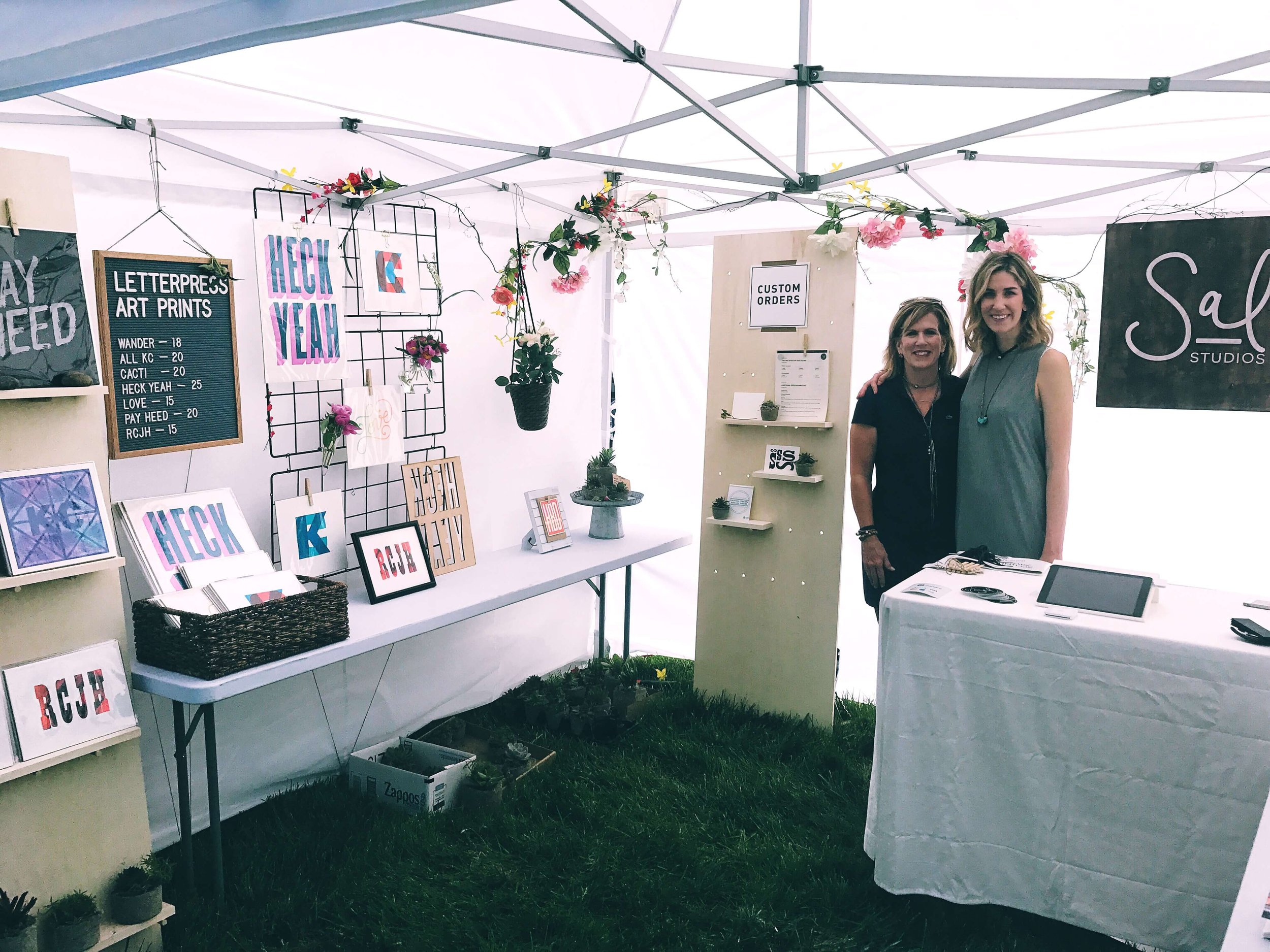
In the early years of Sal Studios, selling $6 greeting cards at craft fairs.
5. Letterpress will make you so resilient
You learn to troubleshoot on the fly.
To stay calm when something breaks mid-run.
To recover when a print completely fails, and you’re staring at a stack of ruined paper with a deadline looming.
I’ve become wildly independent and handy — the kind of person who fixes things instead of calling someone.
I credit letterpress for a lot of that. When your press is an antique machine with no customer support line, you figure it out, or you don't print.
You figure it out.
6. If you’re new, give yourself time
You won’t be making client-worthy prints in a week — and that’s completely normal.
Letterpress has a learning curve that nobody talks about honestly enough. Every press has its own quirks, its own temperament, its own way of telling you something is off.
Learning to read your machine is half the skill, and it takes time that can’t be shortcut.
I see new printers get discouraged because their early work doesn’t look like what they see on Instagram.
Of course it doesn’t.
The people posting those prints have years of muscle memory behind them. Give yourself the grace to be bad at it for a while. The press will teach you if you let it.
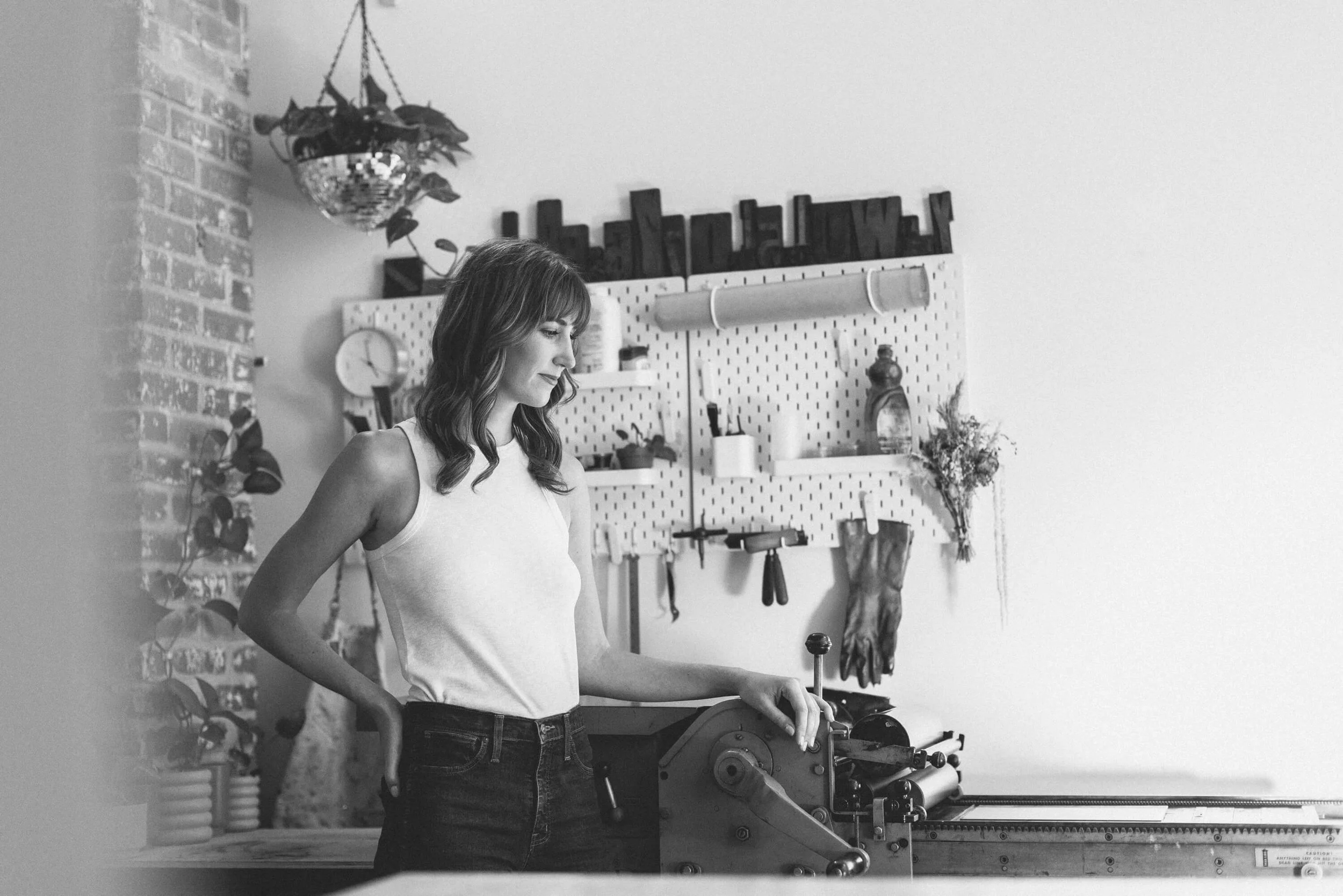
Me with my first baby, Mayzie. A Vandercook SP-15 press.
7. You don’t need a giant press or a studio
I learned on massive flatbed presses in a university print lab and assumed that was the baseline.
Bigger press, better work — that was the logic.
Turns out my tabletop press in a 400-square-foot apartment does just fine.
No studio rent.
No moving logistics.
No terrifying price tag on equipment I couldn’t afford. If you’re waiting until you can afford the “right” setup, you might be waiting forever.
Start with what you have access to and let the work prove itself.
Not sure where to start? I have a free guide that helps you figure out what type of press you need.
8. Teaching letterpress never gets old
I’ve been teaching since day one — back when I was a letterpress TA in college, helping classmates troubleshoot their first prints.
I love seeing what students create.
I love connecting with fellow printers who are working through the same tricky moments I’ve been through.
And I love the reminder that what feels routine to me is still brand new and exciting to someone else.
Teaching keeps the craft alive for me in a way that client work alone probably wouldn’t.
Want to learn from me? Take a look at my course, Makeready.
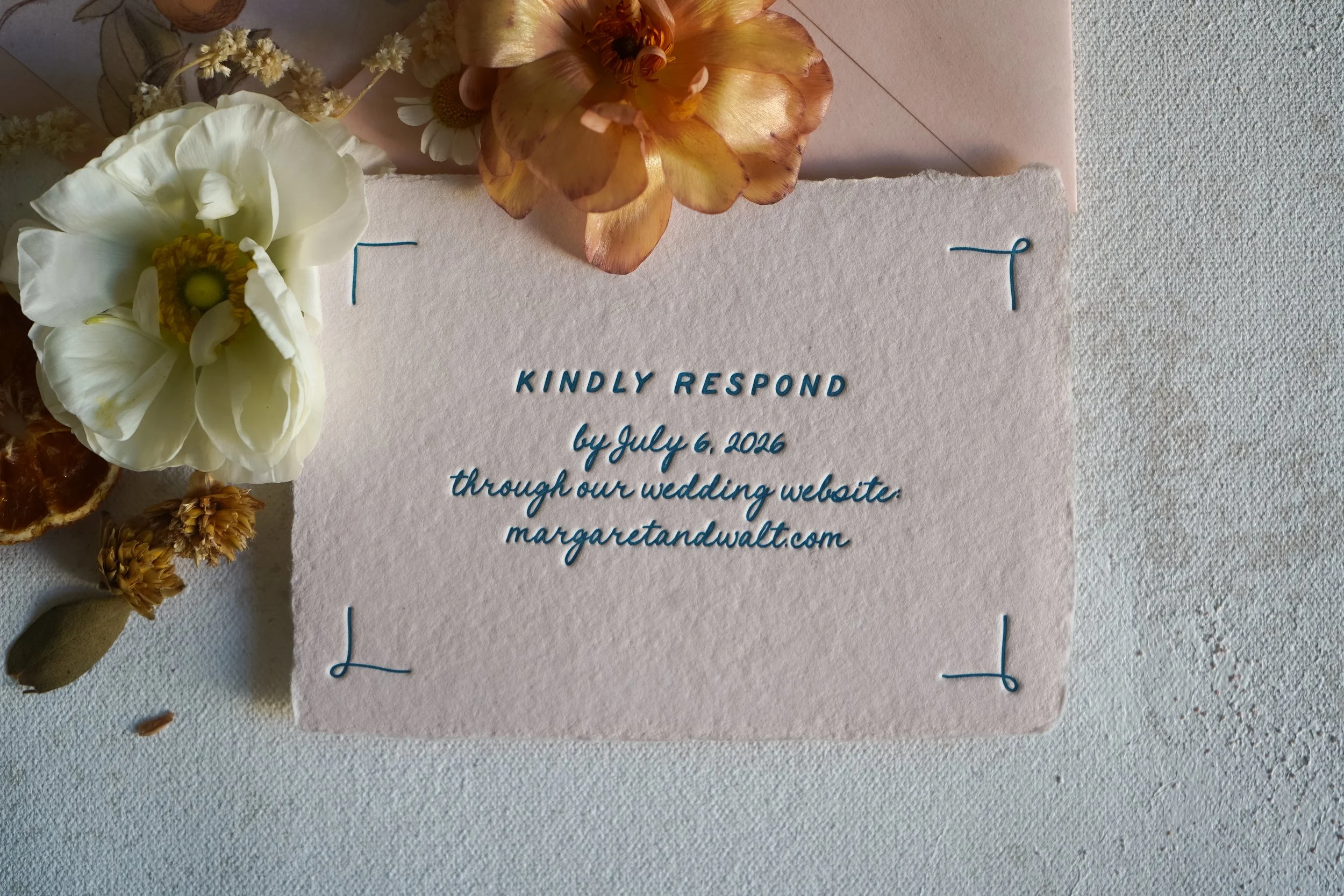
9. You can (and should) run a non-toxic print shop
I was taught with harsh solvents and chemicals. That was just how it was done — gloves, ventilation, and hope for the best.
A few years in, I started questioning whether it had to be that way.
It didn’t. I switched to fully non-toxic materials years ago and haven’t lost quality or cleanliness.
My skin and nails are grateful.
My lungs are grateful.
If you’re still using traditional solvents because that’s what you were taught, it’s worth looking into alternatives. They exist, and they work.
10. I still love it — maybe more than ever
I’m most at peace at my press.
No screens.
No notifications.
Just ink, paper, and the slow, physical act of making something with my hands.
It was love at first print, and fifteen years later, that hasn’t changed.
If anything, it’s deeper now — because I understand more about what I’m doing and why it matters to me.
Not every day is easy. Some days the press fights me, and I have to troubleshoot more than I’d like. But I’ve never once wished I'd chosen something else.
If any of this resonates, you’re in the right place.
If you’re curious about letterpress — whether you’re just getting started or you’ve been thinking about it for a while — browse the links below.
I share resources, behind-the-scenes process, and honest takes on the craft here on the blog and over on Instagram.
And if you’re already printing, I’d love to hear what you’ve learned along the way too.