
Why I Think You Should Keep Your Day Job (At Least for a While)
If you’ve spent any time in the entrepreneurial world, you’ve probably heard the same advice.
“Just take the leap.”
Quit your job. Go all in.
I get the temptation. Especially when you’re burnt out and have an exciting idea you can’t stop thinking about.
But after building my own business, I’ve actually come to believe the opposite.
For most creatives, keeping your day job for a while is one of the smartest business decisions you can make.
Ironically, it might even help your business grow faster.
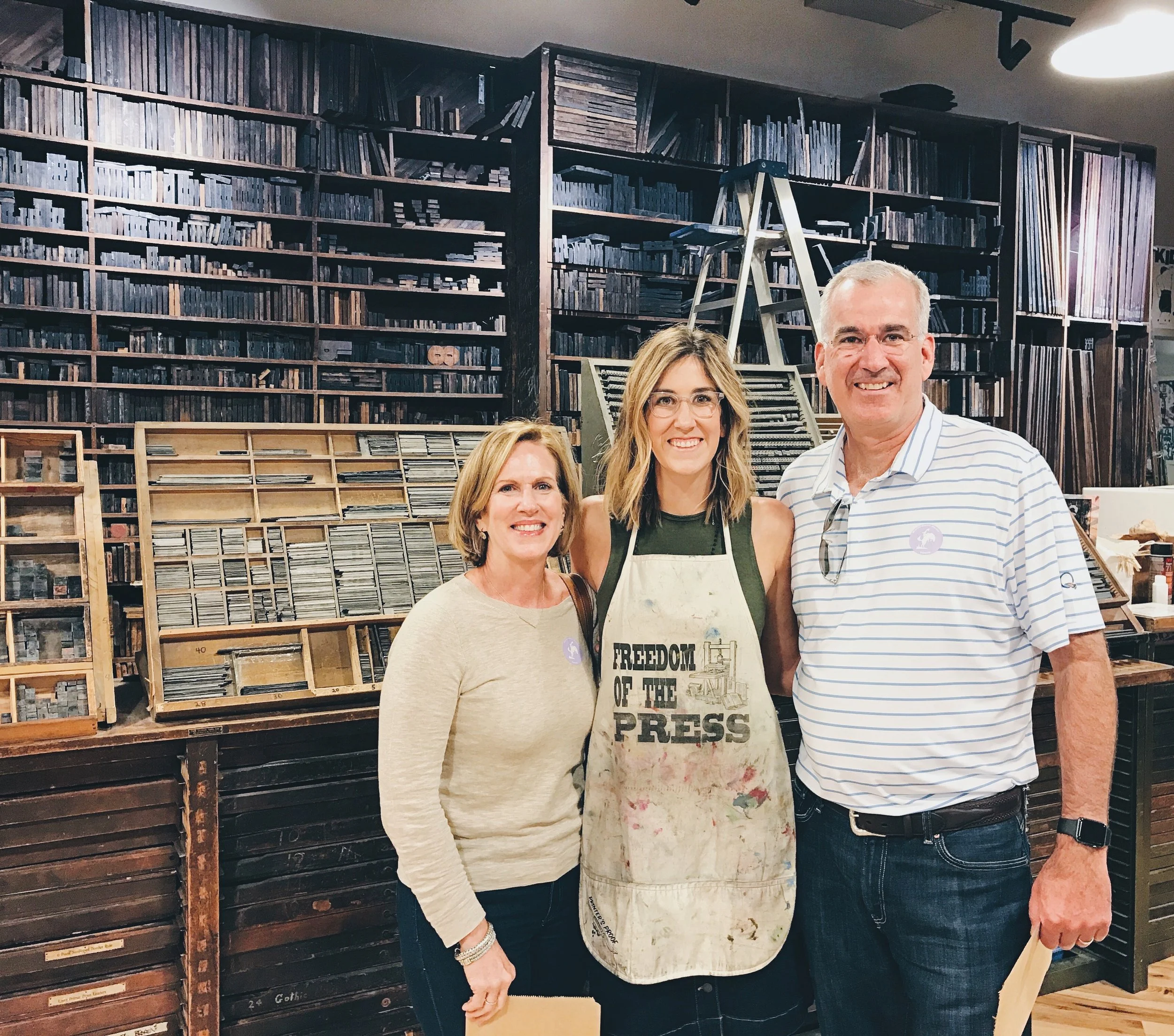
My story
After college, I landed a job at an advertising agency. About a year in, I knew it wasn’t for me—so I quit with almost no savings and moved to Nashville for an unpaid internship at Hatch Show Print. That internship confirmed letterpress was what I wanted to build my life around.
When it ended, I moved back to Kansas City and started Sal Studios.
It was exciting.
It was also incredibly stressful.
I remember getting my rent and utility bills in the mail and crying because I didn’t know how I was going to make everything work.
It was hard to be excited about building a business when I was constantly worried about surviving the month.
Then Hallmark reached out about some freelance design work, and I eventually accepted a full-time position on their marketing team.
At the time, it felt like a step backward. I’d already left one creative job to chase my dream, and now I was going back to another one.
But it turned out to be one of the best business decisions I ever made.
Because something shifted almost immediately.
Not just financially. Creatively.
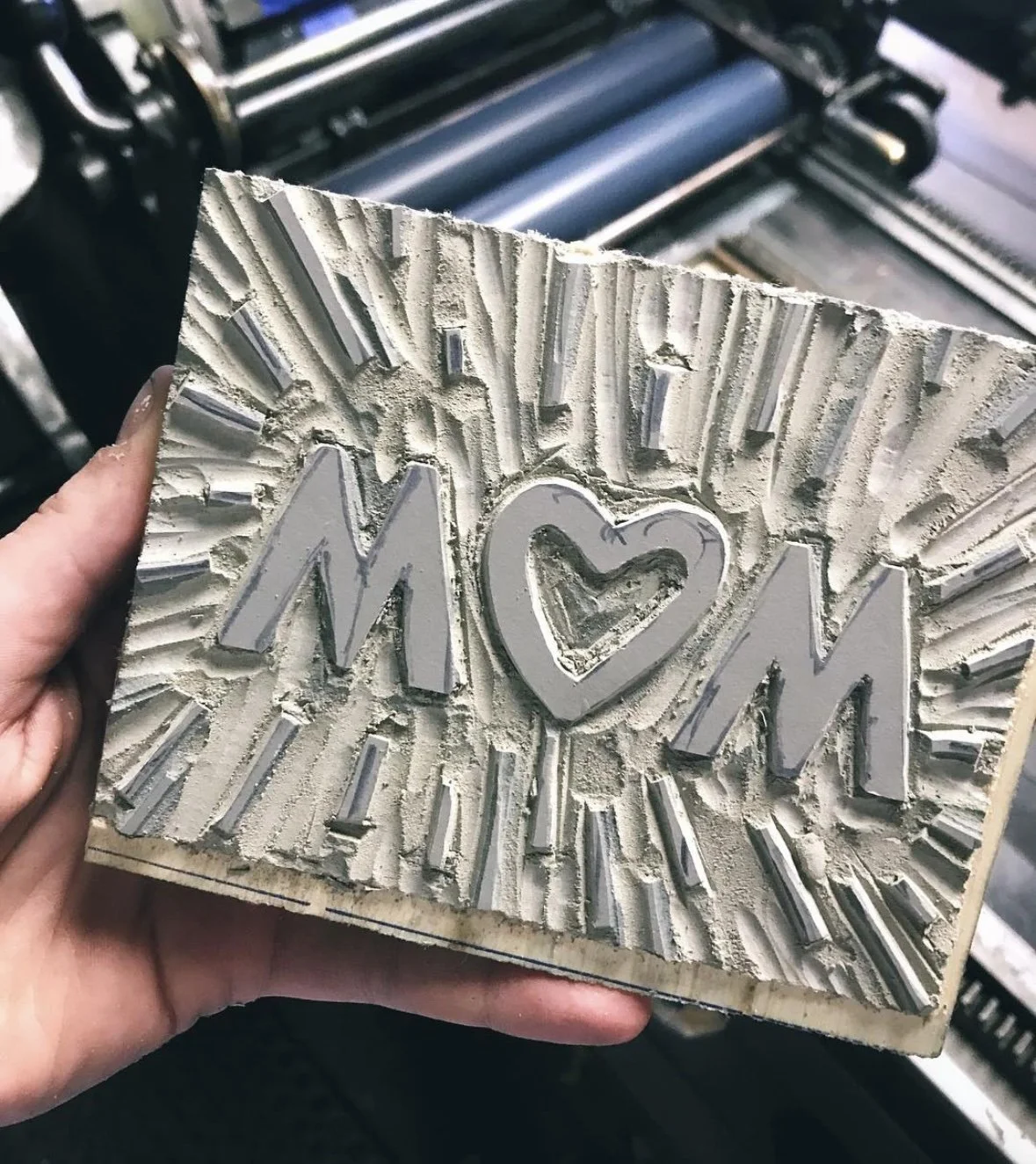
There were a lot of unique experiments in those early days. They were so much fun.
Lesson 1: Stress is creativity’s natural enemy
Most people don’t start a creative business because they want another job.
They start one because they found something they love doing. It’s the thing they’d happily spend a Saturday working on for free. The thing that lights them up.
Then one day they decide to turn it into a business.
Suddenly that creative outlet becomes responsible for paying the rent. Every product has to sell. Every inquiry has to book. Every slow month starts to feel terrifying.
The thing that once brought you joy is now carrying a weight it was never meant to carry.
Stress is creativity’s natural enemy. Looking back, I think that’s the biggest lesson I learned.
When I went back to Hallmark, I didn’t just gain a paycheck.
I gained breathing room.
Instead of asking myself, “What do I need to sell this month so I can survive?” I could finally start asking, “What’s actually best for my business?”
That one shift changed everything.

Lesson 2: A steady paycheck gives you permission to experiment
One of the biggest gifts of a side hustle is that you don’t have to get everything right immediately.
You have room to play.
You can test products. Try a different niche. Raise your prices. Completely rebrand if something isn’t working. Launch something that flops.
Every one of those experiments teaches you something.
When your livelihood isn’t hanging on every decision, you’re far more willing to take creative risks. And in my experience, those creative risks are often what lead to the biggest breakthroughs.
You’re not trying to survive. You’re trying to learn.
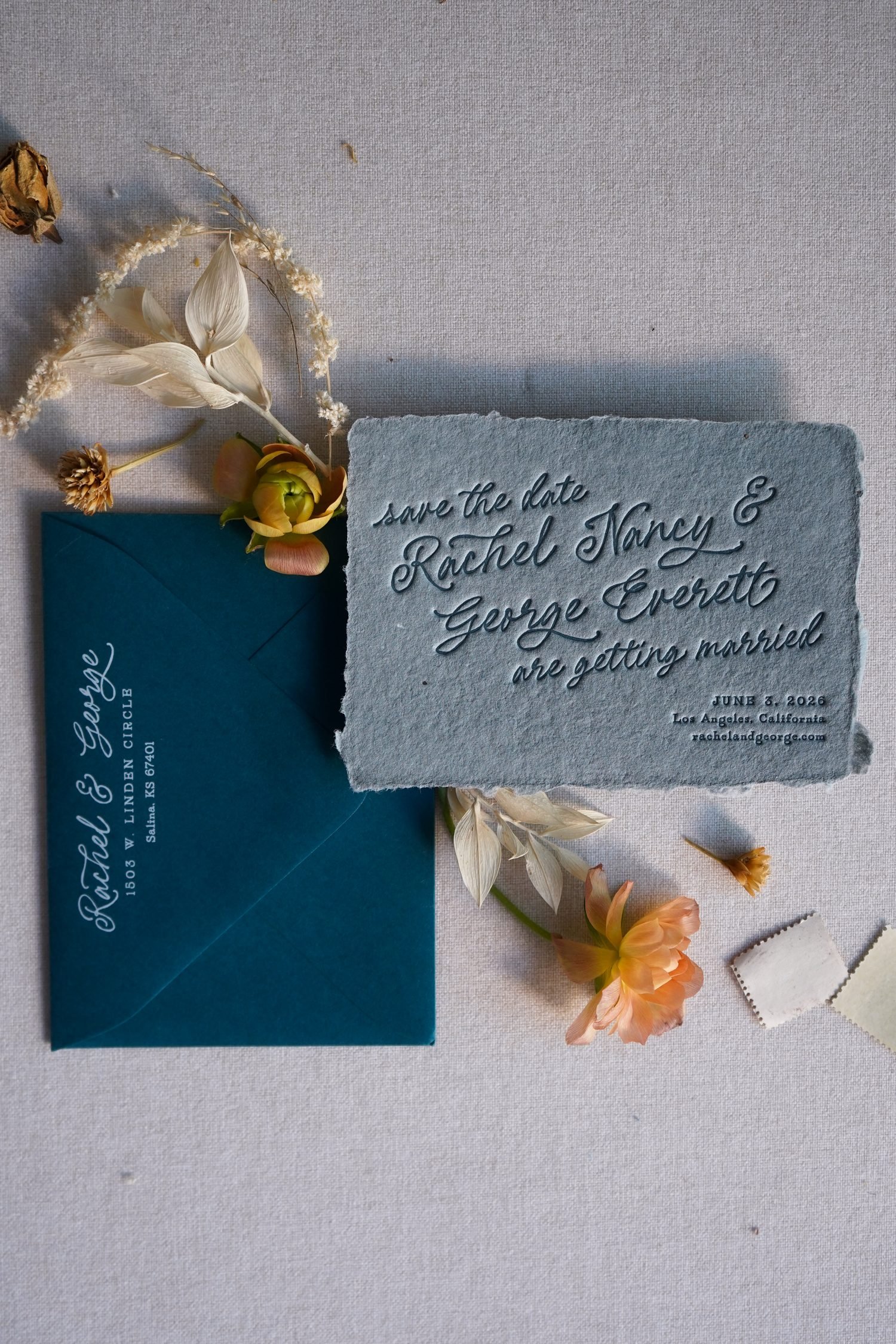
Lesson 3: Build the business before you need the business
By the time I left Hallmark, I wasn’t starting from scratch.
I already had my branding.
My website.
My studio.
My printers.
An established customer base.
I wasn’t figuring out how to start a business anymore. I was simply giving an existing business more of my time.
Most importantly, I wasn’t carrying business debt into this new chapter. I’d been able to slowly invest in quality equipment over the years instead of putting everything on a credit card.
Looking back, I don’t think Hallmark delayed my dream.
I think it funded it.
Every paycheck bought my business a little more freedom.
Freedom to invest in equipment.
Freedom to build a brand I was proud of.
Freedom to make decisions based on long-term growth instead of short-term survival.

Lesson 4: It actually made my day job more enjoyable
Anyone who’s worked a corporate creative job probably knows the feeling.
You come up with an idea you’re excited about. Then it goes through rounds of approvals. Feedback. Revisions. Meetings. Eventually, it barely resembles the idea you started with.
Sometimes it feels like your job isn’t to create—it’s to execute.
I enjoyed my time at Hallmark, but I’d be lying if I said it wasn’t frustrating at times.
The difference was that I had Sal Studios waiting for me when I got home.
It became my creative outlet. It was where I got to chase the weird ideas. Experiment with new printing techniques. Design exactly what I wanted without asking for permission.
Ironically, having that creative freedom outside of work made me a better employee.
When one of my ideas got shot down at Hallmark, sure, it still stung. But I didn’t carry that frustration home with me.
I already had another place where my creativity could thrive.
Lesson 5: Don’t just quit. Prepare.
By the time I left Hallmark, I wasn’t taking a leap of faith anymore.
I was stepping into a business I’d spent years building. I knew what worked. My systems were in place. My equipment was paid off. And I knew the business could support me.
One piece of advice I’d give anyone: save enough money to pay yourself for at least three to six months before going full-time. Even if your business is already profitable.
That cushion gives you the freedom to settle into this new season without making every decision from a place of fear.
Again, it all comes back to removing unnecessary pressure.
Your first few months shouldn’t be spent wondering how you’re going to make rent. They should be spent learning what it looks like to run your business.
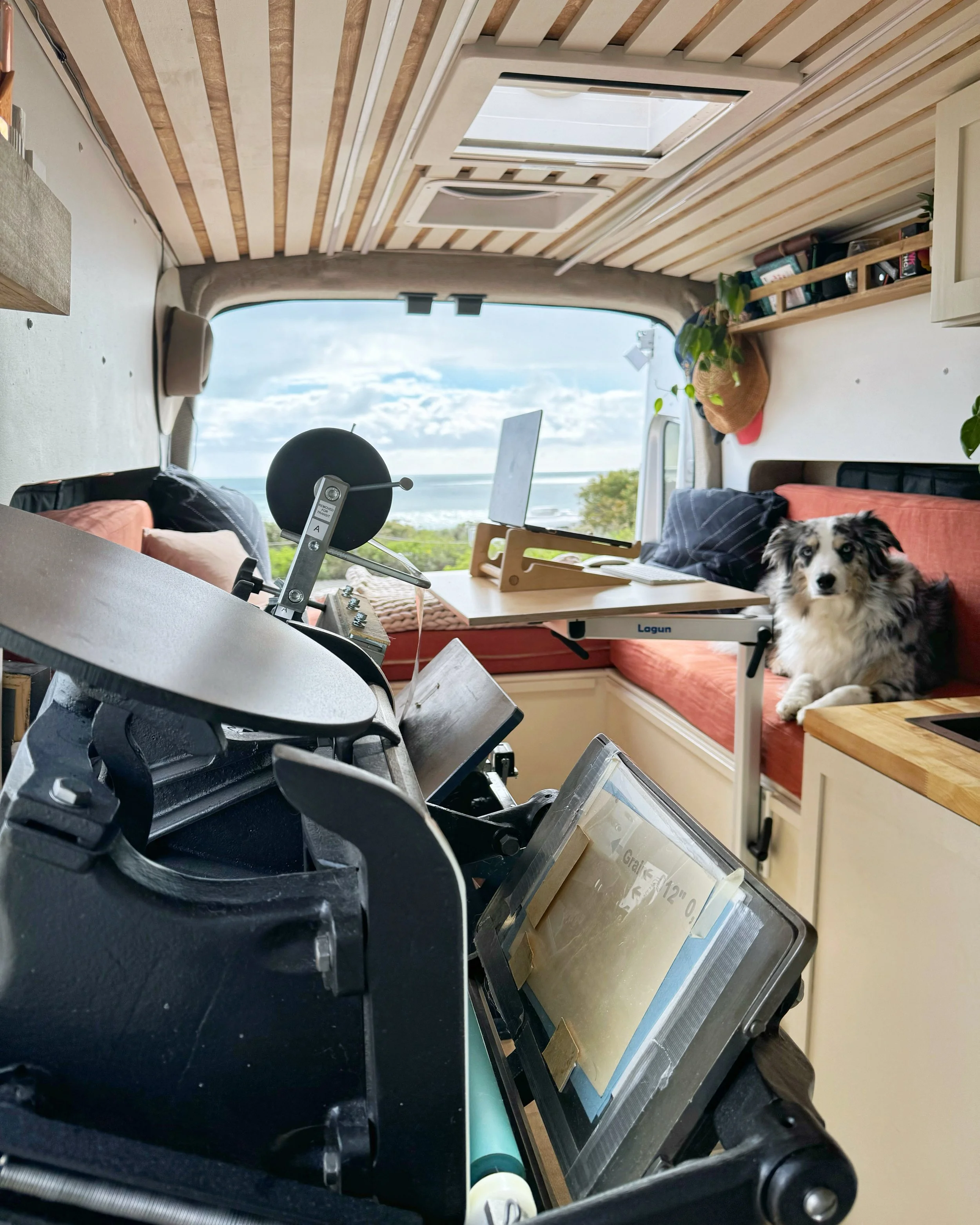
My biggest advice? Keep it simple.
When you’re first starting out, it’s tempting to build everything all at once.
The perfect website. Beautiful branding. Instagram. Pinterest. A course. Digital products. A YouTube channel. A podcast.
It feels like everyone else has it all figured out.
The truth is, most successful businesses were built one piece at a time.
If I could go back, I’d tell myself to hyper-focus on one thing.
Build one product. Serve one audience. Get really good at it.
Then let that success fund the next thing.
You don’t need a perfect business in year one. Mine certainly wasn’t.
And remember—you don’t have to do everything yourself. If hiring someone to help with your branding or website gives you more time to focus on your craft, that’s money well spent.
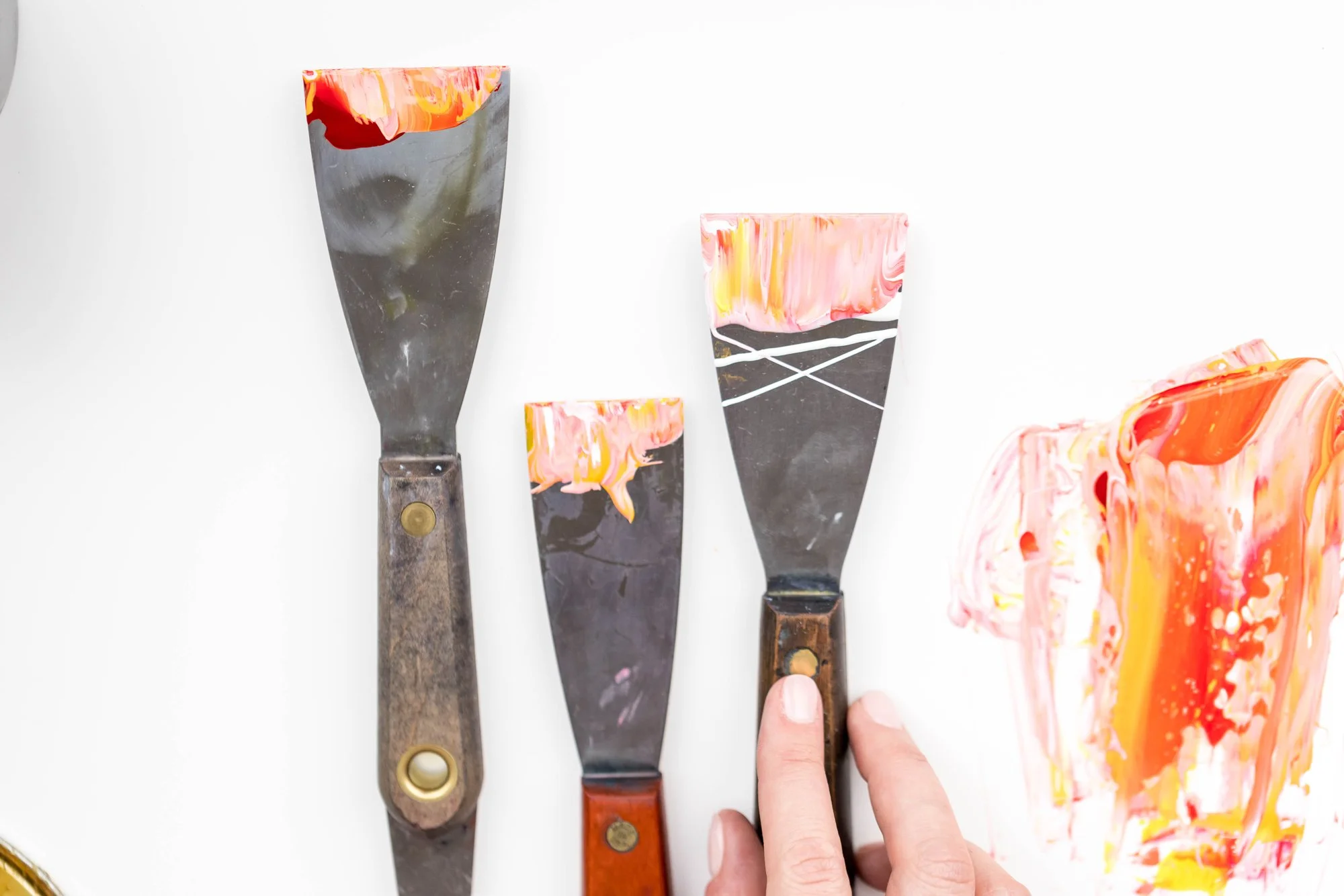
Was it hard?
Absolutely.
For a few years, I was a complete workaholic. I’d wake up around 5 a.m. and work on Sal Studios before heading into Hallmark. I’d come home, eat dinner, and work until bed. Then I’d do it all again the next day.
It wasn’t balanced.
I wouldn’t necessarily recommend it.
But honestly...
I loved it.
I was building something that was mine. That passion made the long hours feel worth it.
I also made a point to keep living my life. I said yes to dinners with friends, birthdays, and weekend plans whenever I could. Maybe I’d leave a little earlier so I could spend Saturday morning printing invitations, but I never wanted my business to become an excuse to stop living.
Not everyone has the time or flexibility to work those kinds of hours, and that’s okay.
Maybe a part-time job makes more sense. Maybe you only have ten hours a week to give your business.
That’s enough.
Just focus those hours on one thing instead of ten.
Which brings me to my next point...
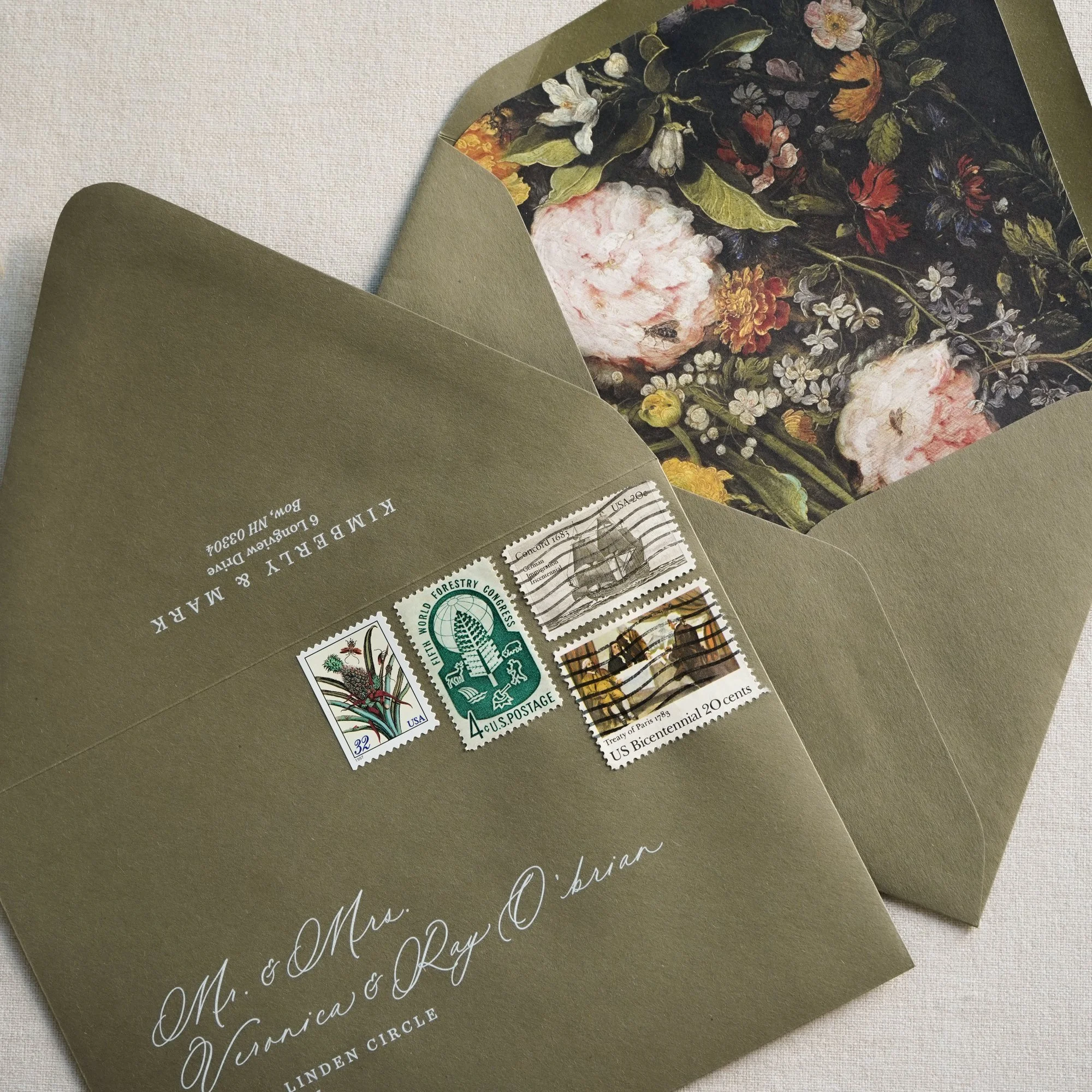
Final thoughts
At the time, going back to a day job felt like failure.
Today, I see it completely differently.
It wasn’t a step backward. It was the foundation that allowed everything else to move forward.
Hallmark didn’t keep me from building my dream business. It gave me the financial stability, creative freedom, and confidence to build it the right way.
So if you’re sitting at your desk wondering if you’re “behind” because you haven’t quit your job yet...
Maybe you’re exactly where you need to be.
Maybe your day job isn’t standing in the way of your dream.
Maybe it’s quietly helping you build it.
And when the time finally comes to take the leap, you’ll be landing on something you’ve already spent years creating.